Country Life Retro SVG Review
As a designer who spends more time than I care to admit staring at stitch lines and debating thread tension, I approach every new digital embroidery file with a healthy dose of skepticism. The market is flooded with generic clip art that looks fine on a screen but falls apart when translated into thread. That is why I take the time to evaluate designs like the Country Life Retro SVG not just as a graphic, but as a functional asset for real-world production. Whether you are an Etsy seller, a boutique owner, or a hobbyist looking to upgrade your craft business, understanding how a design translates from vector to fabric is critical. This review breaks down the practical application, aesthetic appeal, and potential pitfalls of using this retro western-themed asset in your next embroidery project.
First Impressions: Mood and Visual Personality
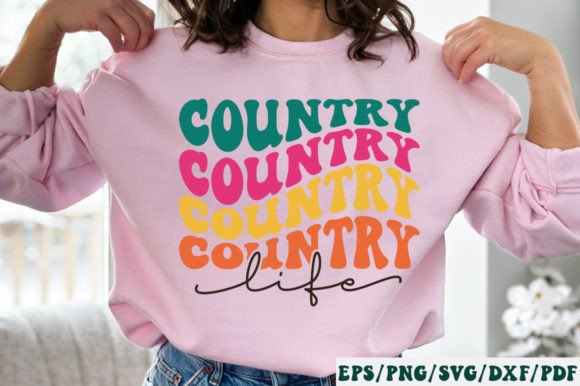
The moment you open the zipped folder containing the Country Life Retro SVG, the intent of the design is clear. It taps into the enduring popularity of mid-century Americana and rustic nostalgia. The visual personality is warm, inviting, and distinctly grounded in a "country life" aesthetic. For designers, this is valuable because it immediately suggests a target audience without needing heavy marketing. It feels authentic rather than forced.
From a layout perspective, the composition balances bold shapes with enough negative space to allow for clean stitching. In my experience, designs that are too cluttered often result in thread breaks or a muddy appearance, especially on smaller items. This design avoids that trap. The retro western theme provides a strong focal point, making it ideal for brands that want to convey craftsmanship, tradition, and handmade quality. It is not just a graphics file; it is a statement piece that can elevate a simple handmade product into something that feels curated and professional.
Real-World Application: Where This Design Shines
I recently evaluated this design with a specific use case in mind: creating a line of personalized gifts for a local craft fair. The goal was to produce items that felt substantial and giftable. Here is how the Country Life Retro SVG performed in those scenarios:
- Custom Apparel and Sweatshirts: When placed on a heavyweight cotton sweatshirt, the retro western motif pops beautifully. The design works well as a chest logo or a larger back print. It adds character to custom apparel without overwhelming the garment’s silhouette. The contrast between the vintage style and modern streetwear trends makes it appealing to a broad demographic.
- Tote Bags and Aprons: For tote bag design applications, this SVG is a natural fit. The sturdy canvas material holds up well to the stitch density required for such graphics. Similarly, on kitchen aprons, the "country life" theme resonates with home cooks and bakers, adding a touch of charm to functional items.
- Baby Items and Nursery Decor: While the theme is rugged, the softness of the retro palette makes it surprisingly suitable for baby clothes and nursery wall hangings. Parents often look for unique, non-generic themes for their children’s rooms, and this design offers a distinct alternative to standard floral or animal motifs.
- Embroidered Patches: The clean lines make it an excellent candidate for an embroidered patch. When bordered properly, it can be used on denim jackets, beanies, or backpacks, extending its utility beyond just direct-to-garment decoration.
Technical Considerations and Stitch Clarity
A pretty image means little if it cannot be stitched cleanly. The Country Life Retro SVG includes multiple formats—SVG, DXF, PNG, EPS, and PDF—which is helpful for different workflows. However, the true test lies in how these vectors translate into machine instructions. The design relies heavily on solid fills and defined edges, which generally perform well with fill stitch techniques.
When preparing this for production, I paid close attention to the stitch density. Designs with large solid areas can become stiff and bulky if the underlay is too aggressive. Because this is a retro graphic, maintaining the crispness of the outer edges is crucial. If the satin stitch border is too wide, it can distort the shape of the letters or icons within the design. Conversely, if the density is too low, the fabric may show through, ruining the visual impact. I recommend testing the design on scrap fabric first to adjust the needle size and thread weight accordingly. Using a high-quality polyester thread will enhance the vibrancy of the retro colors, whereas cheap rayon might dull the aesthetic.
Where Caution Is Required
No single design fits every scenario perfectly. There are specific situations where the Country Life Retro SVG requires careful handling or should be avoided entirely:
- Small Hoop Sizes: If you are working with very small hoops (under 4x4 inches), the details of the retro western elements may become indistinguishable. Tiny text or intricate background patterns can turn into a blob of thread. Always check the bounding box dimensions before committing to a small item.
- Textured or Stretchy Fabrics: While stable fabrics like cotton and denim are ideal, using this design on highly textured materials (like boucle) or stretchy knits (like spandex blends) can lead to distortion. The design assumes a relatively flat surface. If you must use these fabrics, ensure you are using the correct type of stabilizer to prevent puckering.
- Detailed Corners and Curved Surfaces: Applying this to curved surfaces, such as the front panel of a baseball cap, requires precise digitizing adjustments. The flat nature of the SVG may not account for the curvature, leading to stretched or compressed areas. Additionally, very fine details in the corners of the design may get lost on curved seams.
- Dark Fabric Contrast: On dark fabrics, the choice of thread colors becomes paramount. If the design features light-colored elements, they must stand out sharply against the background. Poor contrast here can make the design look washed out and unprofessional.
Impact on Brand Value and Customer Trust
For small shop owners and craft business operators, the quality of your design assets directly impacts customer trust. A poorly executed embroidery job signals carelessness, while a sharp, well-stitched design signals professionalism. The Country Life Retro SVG helps build brand consistency by offering a cohesive visual language. When customers see a consistent, high-quality aesthetic across your Etsy listings or social media printable mockups, they are more likely to perceive your products as premium.
Furthermore, the versatility of this design allows for creative cross-promotion. You can use the same graphic on a pillow cover, a kitchen towel, and a wedding gift set, creating a unified collection that appeals to buyers looking for coordinated home goods. This cohesion enhances the perceived value of your finished product and encourages bundle purchases.
Practical Designer Notes for Success
To get the most out of the Country Life Retro SVG, keep these practical tips in mind:
- Test Before Production: Never assume a digital file will stitch perfectly. Run a test on the actual fabric you plan to use. Check for thread breaks, tension issues, and alignment problems.
- Verify Licensing: Before selling any finished items, confirm the licensing terms associated with the download. Ensure you have the right to use the design for commercial purposes, especially if you are producing commercial embroidery projects.
- Inspect Small Details: Zoom in on the vector file before importing it into your embroidery software. Look for any stray nodes or overlapping paths that could cause stitching errors.
- Use Proper Stabilizer: The choice of stabilizer (cut-away vs. tear-away) depends on the fabric and hoop size. Using the wrong stabilizer can ruin even the best design.
- Mockup Testing: Create black and white mockups to test contrast. This helps you visualize how the design will look on different colored garments without wasting thread.
In conclusion, the Country Life Retro SVG is a robust, versatile asset that serves both personal and commercial needs. Its strong aesthetic appeal and adaptability make it a valuable addition to any designer’s library. By paying attention to technical details like stitch density and fabric compatibility, you can transform this simple vector into a stunning, market-ready embroidery project that delights customers and supports your creative business goals.