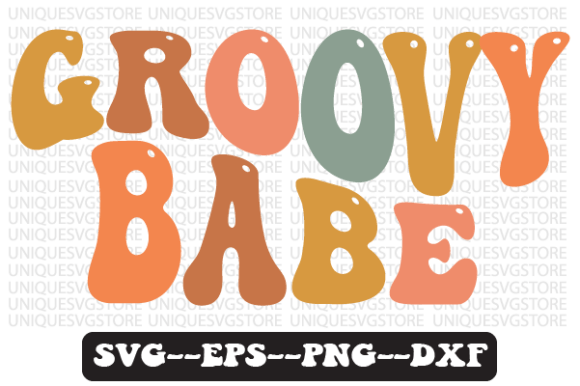
Groovy Babe Wavy Retro Svg Design Review
When I pull a new design file into my digitizing software, I am rarely looking for just another pretty picture. As someone who has spent years turning digital vectors into tangible, stitched products, my eyes immediately scan for potential pitfalls: stitch density issues, clarity at small scales, and overall marketability. Today, I am putting Groovy Babe Wavy Retro Svg Design through its paces. This asset arrives as part of a comprehensive bundle including DXF, EPS, and PNG files, marketed toward sublimation and apparel decoration. But does it hold up when translated from a flat graphic to a textured, three-dimensional embroidery project? Let’s break down the practical realities of using this design in real-world scenarios.
The First Impression: Mood and Visual Personality
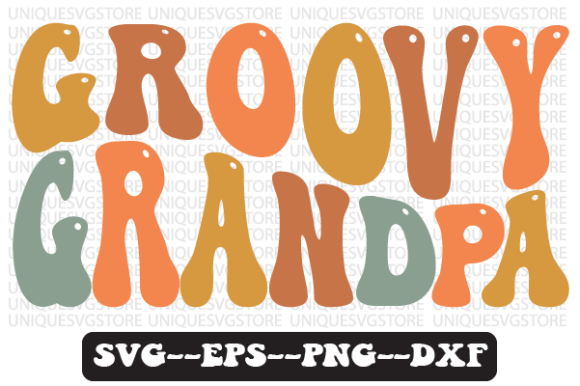
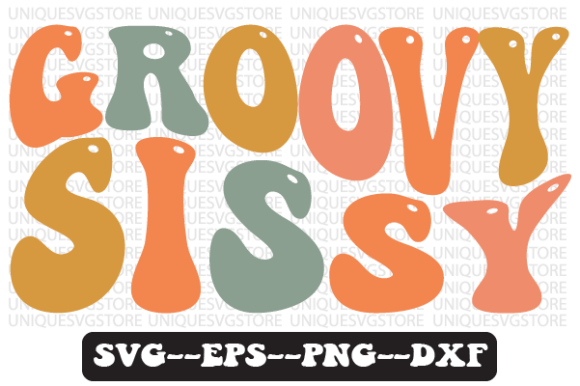
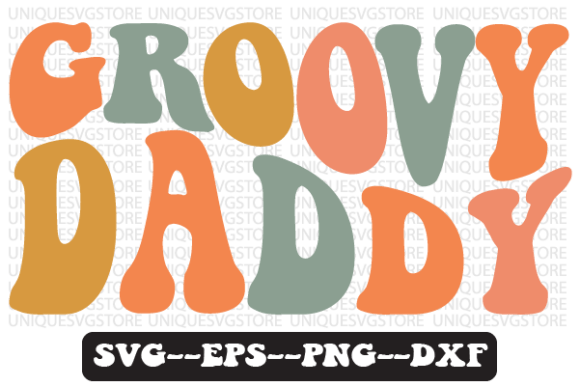
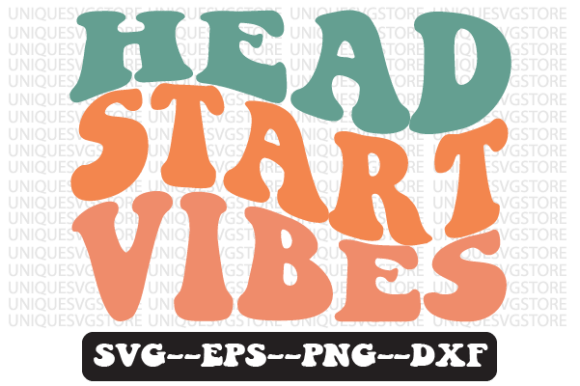
The immediate takeaway from Groovy Babe Wavy Retro Svg Design is its distinct retro energy. The wavy typography and fluid lines evoke a specific era—likely late 60s or early 70s—that remains perennially popular in boutique fashion and home decor. Visually, the design feels loose and playful, which translates well to embroidery if handled correctly. Unlike rigid geometric patterns that can look stiff when stitched, the organic curves of this design invite the use of softer thread textures and varied stitch types.
From a branding perspective, this design screams "casual cool." It is not formal; it is approachable. For an Etsy seller or a craft fair vendor, this aesthetic resonates with buyers looking for personalized gifts, trendy t-shirts, and nostalgic home accents. The visual personality suggests a target audience that values self-expression and vintage-inspired aesthetics. However, the very fluidity that makes it charming also presents a technical challenge: maintaining legibility while preserving the artistic flow.
Real-World Application: Where This Design Shines
In my experience, the success of an embroidery project often depends on matching the design complexity to the product type. Groovy Babe Wavy Retro Svg Design finds its natural home in medium-to-large format applications where space allows the waves to breathe. Here is how I see this performing in specific categories:
- Custom Apparel and Sweatshirts: This design excels on the back of crewneck sweatshirts or the front pocket area of hoodies. The wavy text benefits from the smooth surface of cotton blends, allowing satin stitches to lay flat and crisp. It creates an instant statement piece for casual wear.
- Tote Bag Designs: A canvas tote is a classic vehicle for this kind of art. When placed centrally on a sturdy canvas bag, the design acts as a functional advertisement for the wearer's vibe. The contrast between the rough texture of canvas and the sheen of embroidery thread adds a premium feel to what is otherwise a simple accessory.
- Baby Embroidery and Nursery Decor: While the word "Babe" might suggest adult fashion, the retro style is soft enough to work on baby onesies or burp cloths, provided the text size is adjusted appropriately. On pillow covers or tea towels, the design adds a touch of whimsy to kitchen or nursery decor without feeling overly childish.
- Embroidered Patches: If you are creating iron-on or sew-on patches, this design works well because the wavy borders can double as a decorative edge. It turns a simple patch into a focal point for denim jackets or backpacks.
For the craft business owner, this versatility is key. You can list the same base design across multiple product types—apparel, home goods, and accessories—maximizing the value of your design assets.
Technical Considerations and Stitch Clarity
Transitioning from a vector file like an EPS or DXF to a machine-readable embroidery file requires careful attention to detail. The wavy nature of Groovy Babe Wavy Retro Svg Design means that digitizers must pay close attention to stitch density. If the fill stitch is too dense, the fabric will pucker, ruining the clean lines of the wave. Conversely, if it is too sparse, the underlying fabric may show through, making the design look cheap.
I recommend testing this design with a combination of satin stitch for outlines and fill stitch for the body of the letters. The running stitch can be used sparingly for added texture, but overuse can clutter the visual message. When choosing thread colors, high contrast is essential. A light thread on dark fabric, or a bold primary color against a neutral background, will ensure the wavy text remains legible from a distance.
Another critical factor is the hoop size. Ensure your digitizing software aligns the design within the limits of your intended hoop. If the design is too large for the garment area (like the chest of a child’s shirt), it will need to be scaled down, which risks losing fine details. Always check the proportions before committing to production.
Where to Exercise Caution
Not every application is suitable for this design. There are several scenarios where Groovy Babe Wavy Retro Svg Design might struggle:
- Small Hoop Sizes: Attempting to fit this design into a tiny hoop (under 4x4 inches) will compress the waves, making the text difficult to read. Keep the minimum size generous.
- Textured or Stretchy Fabrics: Avoid placing this design on ribbed knit fabrics, heavy tweeds, or highly stretchy materials without proper stabilization. The waves may distort or warp during stitching, leading to a misshapen final product.
- Detailed Corners: If the design includes intricate inner details within the letters, these may get lost on smaller items. Simplify the design if necessary for tiny applications like hat fronts or cap brims.
- Frequent Washing: For items like aprons or kitchen towels that undergo rigorous washing cycles, ensure the stitch quality is robust. Loose threads or inadequate backing can lead to premature wear.
Practical Designer Notes for Success
To ensure Groovy Babe Wavy Retro Svg Design delivers a professional result, follow these best practices:
- Test on Scrap Fabric: Never run a new design directly onto a finished product. Use scrap pieces of the actual fabric to test tension, stitch length, and color interaction.
- Check Stabilizer Choice: The right stabilizer is crucial. For woven fabrics, a cut-away stabilizer provides lasting support. For knits, a tear-away or wash-away may suffice depending on the weight of the garment.
- Black and White Mockups: View your digitized design in grayscale to check contrast and balance. If the design looks muddy in black and white, it will likely lack impact in color.
- Review Licensing: Before selling any finished product, verify the commercial usage rights of the source files. Even though the bundle includes various formats, confirm that you have the license to produce and sell embroidered items derived from this design.
Final Verdict
Groovy Babe Wavy Retro Svg Design is a strong candidate for designers looking to add a touch of retro flair to their small shop products. Its dynamic shape and nostalgic appeal make it highly marketable for personalized gifts and custom apparel. By paying attention to stitch density, fabric selection, and scale, you can transform this digital asset into a high-quality, desirable physical item. It is a versatile tool in the arsenal of any serious Etsy seller or commercial embroidery artist, provided it is executed with technical precision and creative intent.