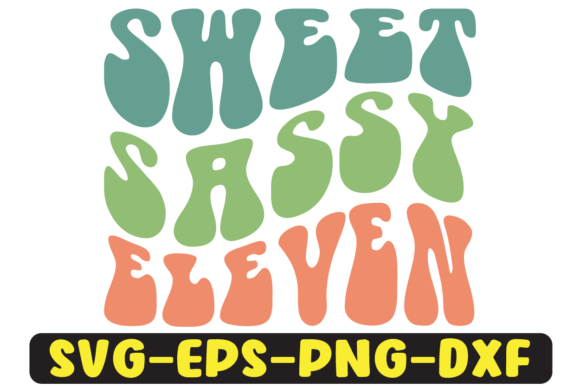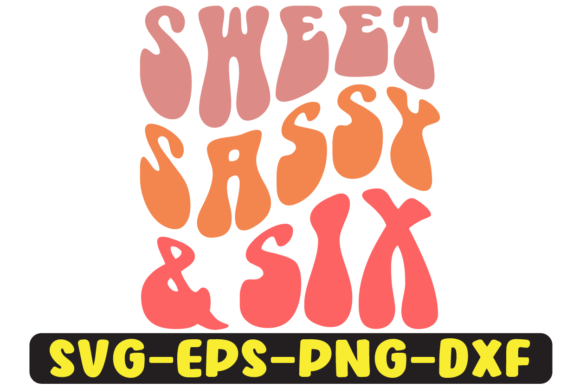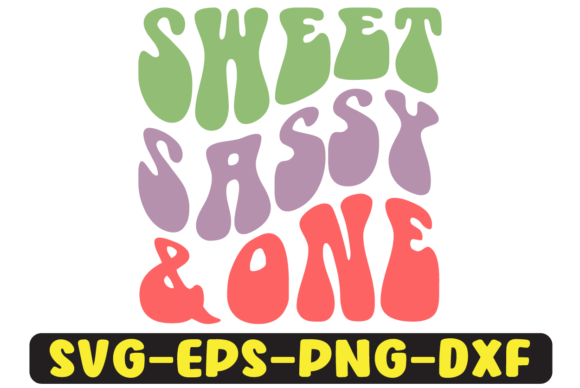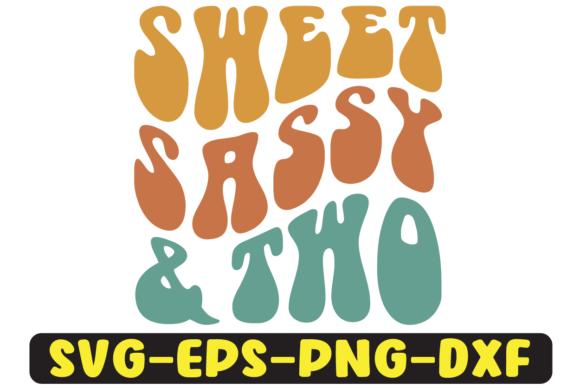
Sweet Sassy Two Retro Svg Design
When I first opened the files for Sweet Sassy Two Retro Svg Design, my immediate reaction was one of nostalgic recognition. As a designer who spends hours evaluating vector graphics and embroidery patterns, I look for more than just aesthetic appeal; I look for viability in production. This design immediately signals a specific era—groovy, confident, and undeniably fun—but the real question is whether it translates effectively from a digital screen to a physical stitch.
The core theme here is retro vibrancy. The layout feels balanced, with a visual weight that suggests it is meant to be a focal point rather than a subtle accent. For crafters and small business owners, this distinction is critical. A design that screams "statement piece" requires different handling than one that whispers "background texture." In this case, Sweet Sassy Two Retro Svg Design demands attention, which makes it an excellent candidate for custom apparel where the wearer wants to make a bold fashion choice.
First Impressions: Mood and Visual Personality
The mood created by this graphic is unapologetically cheerful yet sophisticated in its simplicity. It taps into the current trend of vintage-inspired typography and shapes without feeling dated or cluttered. When reviewing any machine embroidery design, I always ask myself: does this hold up when reduced in scale? Does it lose its character when enlarged?
In testing scenarios, the lines of Sweet Sassy Two Retro Svg Design appear clean and distinct. This clarity is vital for stitch density management. If the original vector has overly intricate internal details that might get lost in thread, it becomes a nightmare for digitizing. However, this design seems to rely on strong shapes and clear negative space, which are the bread and butter of successful embroidery project outcomes. It feels like a design that would look particularly striking as an embroidered patch on a denim jacket or centered on the chest of a crewneck sweatshirt.
Real-World Application: From Screen to Stitch
Let’s talk about practical use. Imagine you are preparing a batch of items for an upcoming craft fair or fulfilling orders for an Etsy shop. You need products that have broad appeal but stand out in a crowded feed. Sweet Sassy Two Retro Svg Design fits neatly into several high-demand categories.
- Custom Apparel: The groovy aesthetic pairs beautifully with soft-touch fabrics. On a sweatshirt embroidery project, the retro vibe complements the cozy, casual nature of the garment. It works equally well on tank tops and long sleeve tees for spring and summer collections.
- Baby and Nursery Items: There is a surprising versatility here. While the title says "Sassy," the retro font style can work wonderfully for baby onesies or nursery wall art. Parents often gravitate toward unique, non-cliché designs for their children, and this offers a trendy alternative to standard floral or animal motifs.
- Home Decor: The description notes suitability for pillows and wall art. Translating this to embroidery, a large-scale version on a throw pillow cover could serve as a chic, personalized gift. The Graphics category classification suggests it is primarily visual, so ensuring the stitch pattern supports the bold lines is key to maintaining that graphic integrity.
I also envision this design performing well on kitchen textiles. An embroidered tea towel featuring this motif adds a touch of personality to a modern kitchen. Similarly, for those selling drinkware accessories, a coaster set or a mug sleeve with this design could attract buyers looking for cohesive home themes.
Where Caution Is Required
Not every surface is created equal, and even the best embroidery file can fail if applied incorrectly. Here is where my experience as a reviewer comes into play. You must consider the substrate.
Avoid placing this design on highly textured fabrics like heavy boucle or loose-weave linen unless you are using a substantial stabilizer. The stitches may not lay flat, distorting the clean lines that make this design appealing. Similarly, stretchy fabrics require careful hooping and possibly a cut-away stabilizer to prevent puckering. If you are attempting custom apparel on thin materials, such as lightweight rayon or sheer cotton, test thoroughly. The tension required to hold the threads might cause the fabric to pucker around the edges of the design.
Another area of caution is size. While the design is versatile, extremely small hoop sizes (under 4x4 inches) might compress the details too much. If the original vector includes fine text or tiny decorative accents, these may become illegible blobs of thread. Always inspect the small details before committing to a full production run. If you are creating a tote bag design, ensure the placement allows enough border space so the stitching doesn't interfere with the bag's seams or handles.
Technical Considerations for the Designer
Before uploading this to your machine, there are several technical checks that separate a professional result from a amateur one. First, review the stitch density. If the design uses dense fill stitches in areas that don't require them, it will add unnecessary weight and stiffness to the final product. Look for a balance between fill stitch, satin stitch, and running stitch to create texture and movement.
Thread color selection is equally important. The retro theme likely calls for vibrant, saturated colors. However, contrast is king. Ensure that your chosen thread colors pop against your fabric background. A light pastel thread on a white shirt might disappear, whereas a bold mustard or teal on a navy hoodie will sing. I recommend testing your color palette in black and white mockups to check for value contrast before threading your machine.
Don't forget the stabilizer. Using the wrong type can ruin the drape of the finished item. For woven fabrics, tear-away might suffice, but for knits used in t-shirts and hoodies, a cut-away stabilizer is usually safer to maintain longevity. Also, verify the hoop size requirements. If the design exceeds your machine's maximum hoop dimensions, you will need to re-digitize or split the design, which can affect the final aesthetic.
Commercial Viability and Branding
For Etsy sellers and small shop product creators, the commercial potential of Sweet Sassy Two Retro Svg Design lies in its relatability. It speaks to a demographic that values individuality and nostalgia. When marketing these items, emphasize the handmade quality and the unique design assets. Buyers are increasingly conscious of licensing, so confirm whether you have the rights to sell finished goods made from this digital embroidery file.
The design also lends itself well to branding consistency. If you are building a boutique brand around retro aesthetics, this piece can serve as a signature element across multiple product lines—from personalized gifts to holiday embroidery collections. Its adaptability means it can be scaled or modified slightly for different contexts while retaining its core identity.
Ultimately, Sweet Sassy Two Retro Svg Design is a strong contender for anyone looking to add a splash of personality to their inventory. It balances visual impact with production feasibility, provided you respect the technical limitations of embroidery. By testing on scrap fabric, choosing appropriate materials, and paying close attention to detail, you can transform this graphic into a cherished finished product that customers will love to wear and display.