Feeling a Lil Jelly Retro Svg Design Review
As someone who has spent years evaluating embroidery files for both personal projects and commercial merchandise, I have learned that the success of a finished piece often comes down to more than just technical precision. It is about personality, clarity, and how well a design translates from a digital vector into tangible thread. When I first pulled up Feeling a Lil Jelly Retro Svg Design, my immediate reaction was one of playful nostalgia. This isn’t just another generic graphic; it carries a specific mood—a vibrant, slightly chaotic energy that screams summer festivals, vintage diners, and relaxed weekend vibes. For designers looking to add a touch of whimsy to their inventory, this file offers a compelling starting point, provided you understand its nuances before hitting the start button on your machine.
The Visual Personality and First Impressions
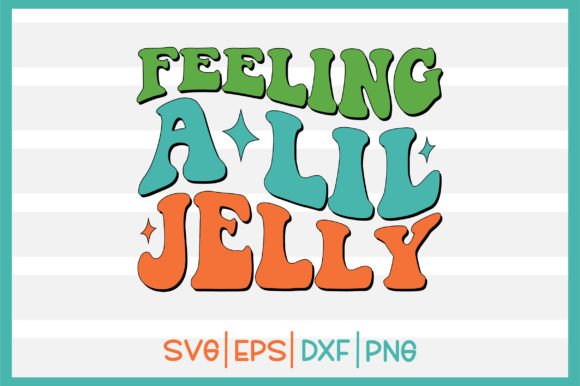
The core strength of Feeling a Lil Jelly Retro Svg Design lies in its retro aesthetic. The shape and color palette evoke a sense of fun that is highly marketable right now. In the world of handmade products, buyers are increasingly drawn to designs that tell a story or express a specific attitude. This design does exactly that. It feels like a sticker you might find on a laptop or a patch on a denim jacket. The visual weight is balanced enough to be legible from a distance but detailed enough to reward a closer look.
From a design perspective, the layout is clean. There is no clutter fighting for attention, which is crucial when converting a SVG or EPS file into an embroidery file. If a design is too busy at the source, the stitching process can become muddy, with threads blending together until the original intent is lost. Here, the distinct shapes suggest that the final product will maintain its character even after the hoop is removed. It creates a mood that is approachable and cheerful, making it an excellent candidate for casual wear and lifestyle accessories.
Real-World Application: From Screen to Stitch
I recently put this design through its paces by imagining it on various substrates, a standard part of my workflow before recommending any asset to clients or customers. Let’s talk about the tote bag design potential. A canvas tote is a staple for the Etsy seller or craft fair vendor. When Feeling a Lil Jelly Retro Svg Design is placed on the center chest area of a natural canvas bag, it pops beautifully. The retro colors contrast well against the neutral background, ensuring high visibility. However, placement matters. Centered is safe, but placing it slightly off-center or overlapping a pocket seam can elevate it from a basic gift to a boutique-level item.
Another strong use case is sweatshirt embroidery. As seasons change, apparel becomes the primary driver of sales. This design works exceptionally well on heather grey or muted pastel hoodies. The retro theme aligns perfectly with current fashion trends that favor comfort and nostalgia. For baby embroidery, such as onesies or bibs, the design offers a softer, cuter appeal. Parents love personalized gifts that feel modern yet timeless, and this file strikes that balance. It is not overly childish, which allows it to age well as the child grows.
For those running a craft business, consider the versatility of this design across different product lines. It translates well to apron embroidery for kitchen-themed gifts, adding a splash of color to what is otherwise a functional item. It also serves as a great base for embroidered patches that can be ironed or sewn onto backpacks and hats. The adaptability of Feeling a Lil Jelly Retro Svg Design means you are not limited to one type of merchandise; instead, you can create a cohesive collection where the same motif appears on a pillow cover, a tea towel, and a cap, building brand recognition among your buyers.
Technical Considerations and Potential Pitfalls
While the visual appeal is strong, practical execution requires careful planning. Not every fabric behaves the same way under the needle. I advise testing Feeling a Lil Jelly Retro Svg Design on scrap fabric before committing to expensive materials. Pay close attention to stitch density. If the design includes dense fill areas, ensure your stabilizer is robust enough to prevent puckering, especially on stretchy fabrics like jersey knits used for t-shirts. Without proper support, the fabric may distort, ruining the clean lines of the retro shape.
Fabric texture is another critical factor. On highly textured fabrics like heavy wool or bouclé, small details may get lost. In such cases, simplifying the design or opting for larger stitch sizes might be necessary. Conversely, on smooth cottons or linens, the design should render with crisp edges. Be mindful of dark fabrics. While bold colors can stand out, lighter shades of thread may require multiple passes or a backing layer to achieve opacity, which increases stitch count and production time. Always check thread color contrast during your mockup phase.
Small details are always the enemy of clear embroidery. Inspect the smaller elements of Feeling a Lil Jelly Retro Svg Design closely. Are there tiny corners or thin lines that might break or merge? If so, consider adjusting the digitization settings to widen these elements slightly. This is particularly important for commercial embroidery projects where consistency is key. You do not want a customer receiving a product where the fine details have turned into a blob of thread. Additionally, if you plan to use this on curved surfaces like caps, remember that flat designs may need reshaping to follow the contour of the hat, or they may look distorted when viewed from the side.
Maximizing Value and Professionalism
Using Feeling a Lil Jelly Retro Svg Design effectively can significantly boost the perceived value of your handmade products. A well-executed embroidery project signals quality and care. When customers see a clean, professionally stitched design, they are more likely to trust your brand and justify a higher price point. This is especially true for personalized gifts and wedding favors, where presentation is everything. Ensure your finishing touches—like trimming loose threads and pressing the fabric—are impeccable. The design itself provides the hook, but the execution keeps the customer coming back.
Furthermore, think about how you present this design in your printable mockup assets. High-quality images that show the texture of the thread and the drape of the fabric help buyers visualize the final product. Since the file is available in multiple formats including PNG and DXF, you have flexibility in how you prepare your digital assets. Use the vector files for precise scaling and the raster files for quick previews. This versatility supports both digital product sellers who offer templates and physical goods creators who need accurate representations of their inventory.
Final Verdict for the Creative Entrepreneur
In conclusion, Feeling a Lil Jelly Retro Svg Design is a versatile and charming addition to any designer’s library. Its retro vibe appeals to a broad audience, from hobbyists making holiday gifts to serious small shop owners looking to expand their catalog. By understanding its strengths in terms of visual impact and being cautious about its technical requirements regarding fabric and stitch density, you can produce finished products that are both beautiful and durable. Test thoroughly, choose your materials wisely, and let the playful personality of the design shine through. Whether you are creating a unique embroidery project for yourself or scaling up for a craft business, this design offers a solid foundation for creative success.