Review: Writing Wavy Retro Svg Design
As a designer who spends more time than I care to admit staring at stitch charts and fabric swatches, I have developed a keen eye for what translates well from screen to needle. The market is flooded with digital assets, but not every digital embroidery file holds up when you actually pull the thread through the hoop. Today, I am putting the Writing Wavy Retro Svg Design under the microscope. This collection, which includes 20 DXF files and 20 EPS files, markets itself toward sublimation and apparel use, but its application in machine embroidery is where the real test lies.
I approached this review with a specific scenario in mind: creating a cohesive line of boutique merchandise for an upcoming craft fair. My goal was to produce personalized gifts that felt nostalgic yet modern—items that would appeal to Etsy sellers and small business owners looking for high-value handmade products. Here is my practical assessment of how this design performs in real-world embroidery situations.
The First Impression: Mood and Visual Personality
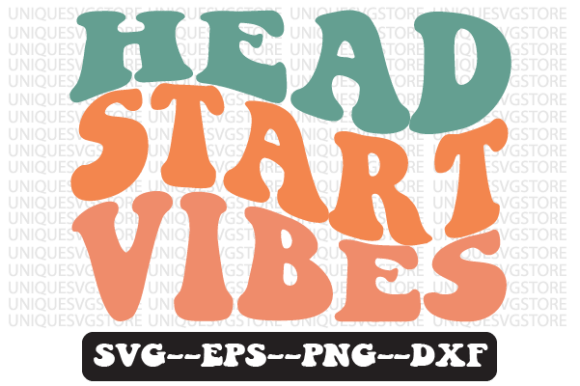
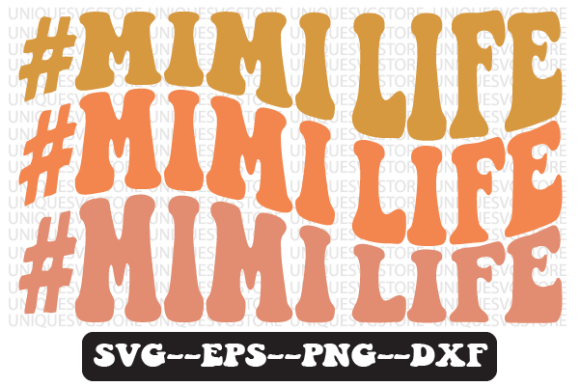
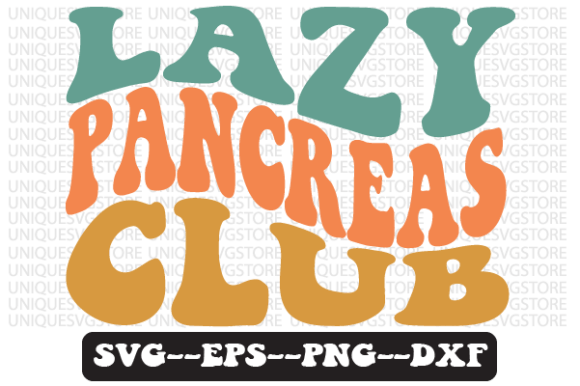
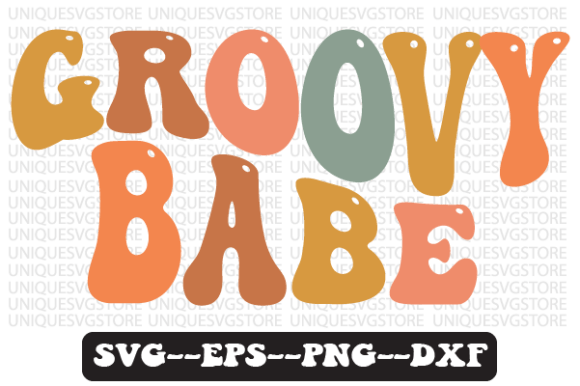
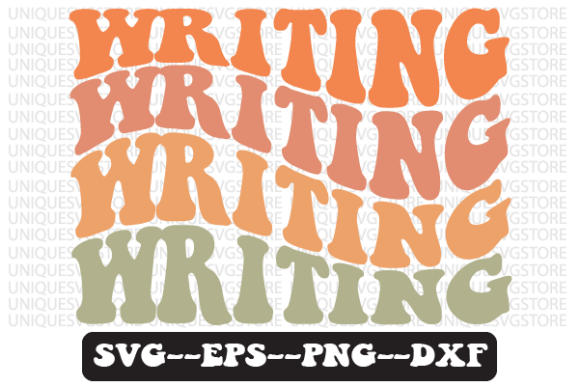
When you first load the Writing Wavy Retro Svg Design into your digitizing software or vector editor, the immediate takeaway is its playful energy. The "wavy" aspect suggests a fluid, organic movement, while the "retro" descriptor implies a nod to mid-century aesthetics or perhaps a 70s-inspired color palette. Visually, it creates a mood that is relaxed, cheerful, and slightly whimsical.
For a craft business, this visual personality is gold. It avoids the sterile look of many geometric designs and instead offers warmth. In terms of layout, the text integration appears seamless, suggesting that the typography is treated as part of the graphic rather than an afterthought. This is crucial for custom apparel, where readability and aesthetic balance are paramount. The design feels like it belongs on soft, comfortable fabrics—think heathered tees, vintage-wash hoodies, or natural cotton tote bags. It does not scream for attention; rather, it invites the viewer to look closer, which is exactly what you want in a finished product that aims to build customer trust through quality presentation.
Real-World Application: From Screen to Stitch
Let’s talk about execution. I took the concept of this design and simulated its application across several common embroidery project categories. The versatility of receiving both DXF and EPS formats is a significant advantage, allowing for easy scaling and editing before finalizing the stitch plan.
Custom Apparel and Sweatshirts
The most obvious application here is sweatshirt embroidery. The wavy lines lend themselves beautifully to chest placements or back prints. When digitized correctly, the curves can be rendered using a combination of satin stitch for outlines and fill stitch for any solid retro shapes. On a heavyweight cotton blend, this design would pop, offering a tactile experience that customers love. However, one must be careful with the density of the fill areas to prevent puckering, especially if the fabric is thin.
Tote Bags and Aprons
For tote bag design enthusiasts, this asset is highly relevant. Canvas bags are forgiving, but they also show every imperfection. The clean lines of the SVG translate well to sturdy canvas, making it ideal for personalized gifts like wedding favors or corporate branding. Similarly, for kitchen aprons, the retro vibe adds a touch of charm that elevates a simple utility item into a statement piece. The design’s scalability means it can work as a large focal point on the bib or a subtle accent near the pocket.
Baby Items and Nursery Decor
There is a surprising suitability here for baby embroidery. The soft curves and retro theme are gentle enough for nursery decor items like pillow covers or blanket borders. Parents often seek out handmade products that feel timeless, and this design hits that note. Just ensure that the digitizer reduces the stitch count slightly for delicate baby fabrics to maintain comfort against sensitive skin.
Where Caution Is Required
No design is without its pitfalls. While the Writing Wavy Retro Svg Design is visually appealing, there are specific contexts where it requires careful handling:
- Small Hoop Sizes: If you attempt to shrink this design too much for tiny applications like embroidered patches or hat fronts, you risk losing the integrity of the wavy details. Tiny lettering or thin lines may merge together during stitching.
- Textured and Stretchy Fabrics: Avoid using this on highly textured fabrics like bouclé or heavy terry cloth unless you are using a substantial stabilizer. On stretchy knits, the wavy lines might distort if the hooping tension is not perfectly calibrated.
- Dense Stitch Areas: If the original vector contains complex overlapping elements, ensure the digitizer has optimized the stitch density. Too much thread in one area can lead to needle breakage or a stiff, uncomfortable hand-feel on the final garment.
- Curved Surfaces: Applying this to caps or curved seams requires precise mapping. The wave pattern might look distorted if not adjusted for the curvature of the object.
Practical Designer Notes for Implementation
To get the best results from these design assets, I recommend following a strict pre-production workflow. Do not skip the testing phase.
- Test on Scrap Fabric: Always run a test stitch on the actual fabric you plan to use. This helps you gauge how the thread colors interact with the material tone.
- Check Thread Contrast: For a retro look, bold contrasts often work best. Ensure your chosen threads stand out against the background fabric. A black design on navy blue might lack definition, whereas white on burgundy could be striking.
- Review Stitch Density: Inspect the digitized file for overly dense areas. Use software tools to check for unnecessary jumps and trims. Efficient stitching not only saves time but also ensures the finished product looks professional.
- Use Proper Stabilizer: Depending on the fabric weight, select the appropriate cut-away or tear-away stabilizer. This is non-negotiable for maintaining the shape of the waves over time.
- Black and White Mockups: Before committing to color threads, view the design in grayscale. This helps identify if the composition relies too heavily on color to convey its message.
Final Verdict: Value and Commercial Viability
The Writing Wavy Retro Svg Design offers strong potential for commercial embroidery ventures. Its inclusion of multiple file formats (DXF and EPS) makes it adaptable for various uses, including sublimation printing alongside traditional stitching. For Etsy sellers and small shop product creators, this diversity allows for cross-selling opportunities—you can offer embroidered goods and printed goods using the same core artwork.
The design’s aesthetic aligns well with current trends favoring nostalgia and handmade authenticity. It supports brand consistency by providing a recognizable visual style that can be repeated across different product lines, from kitchen towels to holiday gifts. Customers respond positively to designs that feel curated and intentional, and this asset delivers that sense of professionalism.
However, remember that the success of the final item depends largely on your digitization skills and production quality. The SVG provides the blueprint, but the embroidery file brings it to life. Always confirm licensing terms before selling finished items, ensuring you have the right to use these graphics commercially. With careful preparation and attention to detail, this design can become a staple in your repertoire of graphics and crafts resources, helping you create memorable personalized gifts and apparel decorators worthy pieces.