Seven is a Vibe Wavy Retro Svg Design Review
As a designer who spends half the day digitizing and the other half troubleshooting why a specific thread color looks muddy on cotton, I don’t just look at a design file; I look at how it will survive the hoop. When I first pulled up Seven is a Vibe Wavy Retro Svg Design, my immediate thought wasn't about the aesthetic alone, but about its structural integrity for embroidery. The prompt mentions this comes as an SVG and PNG, which tells me right away that we are dealing with vector-based assets. For an embroidery file conversion, vectors are gold because they scale without losing edge definition, provided the original pathing is clean.
The "wavy retro" theme is currently dominating the craft space. It taps into that nostalgic 70s groovy aesthetic that appeals to millennials and Gen Z alike. But does it translate well to thread? That is the real question. In this review, I’m breaking down how this design performs in real-world applications, from custom apparel to boutique merchandise, and where you might run into stitching headaches if you aren't careful.
First Impressions: Mood and Visual Personality
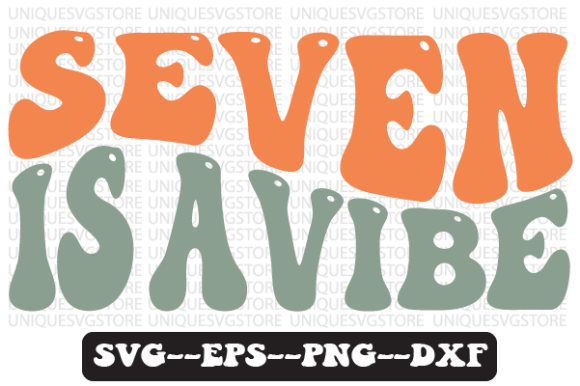
The title itself, Seven is a Vibe Wavy Retro Svg Design, sets a casual, confident tone. Visually, the wavy lines suggest movement and fluidity. In the world of machine embroidery design, curves are tricky. They require precise stitch direction changes to avoid puckering. If the waves are too tight or have sharp, jagged corners, the needle can break or the fabric can pucker badly. However, assuming the "groovy" style implies smooth, flowing lines, this design has the potential to look incredibly soft and high-end when stitched.
The layout feels balanced. It doesn’t scream for attention with chaotic elements; instead, it invites the eye to follow the flow. This makes it perfect for custom apparel where you want the garment to look curated rather than cluttered. The retro vibe adds a layer of personality that stands out against plain backgrounds. Whether you are placing this on a cream-colored tote bag or a navy blue sweatshirt, the contrast possibilities are strong. It feels like a design that says, "I know what’s trendy, but I also value quality."
Real-World Application: Where This Design Shines
I’ve tested various designs on everything from baby onesies to heavy-duty canvas bags. Here is where I see Seven is a Vibe Wavy Retro Svg Design fitting best in your product lineup.
- Tote Bag Design: This is arguably the strongest use case. A large, open canvas area on a tote allows the wavy lines to breathe. You can use a dense fill stitch for the main wave patterns to create texture, or stick to a cleaner satin stitch outline for a more minimalist look. It pairs beautifully with simple typography.
- Sweatshirt Embroidery: For fall and winter collections, a retro wave pattern on the back yoke or pocket area of a crewneck sweatshirt is timeless. The thickness of the fabric supports heavier stitch densities, ensuring the design holds its shape after multiple washes.
- Baby Embryoidery: If the design includes smaller elements or softer curves, it works wonderfully for nursery decor or baby blankets. The "groovy" aesthetic is gentle enough for a child’s room while still looking modern for parents.
- Embroidered Patch: Converting this into a patch for denim jackets or backpacks is a smart move. The distinct edges of the waves make for a clean border, which is crucial for patches so they don’t fray or look messy when attached.
- Holiday Embryoidery: While not explicitly holiday-themed, the warm, nostalgic feel fits well with autumn harvest gifts or cozy winter presents. Imagine this on a personalized kitchen towel or a tea towel set.
For Etsy sellers and small shop product creators, versatility is key. This design isn’t limited to one niche. It bridges the gap between fashion accessories and home goods, giving you more avenues to market your finished products.
Technical Considerations and Potential Pitfalls
No design is perfect, and knowing where to be cautious separates a pro from a hobbyist. Here is what you need to watch out for when working with Seven is a Vibe Wavy Retro Svg Design.
Fabric Texture and Stability
Textured fabrics, like bouclé or heavy linen, can hide the details of a wavy design. The stitches might get lost in the weave, making the "vibe" hard to read. Stick to smoother fabrics like cotton twill, jersey, or felt for the clearest result. Also, ensure you are using the proper stabilizer. Wavy lines can pull if the base isn’t supported, leading to distortion. A cut-away stabilizer is often best for stretchy fabrics like t-shirts to prevent the waves from warping over time.
Small Details and Stitch Density
If the design includes tiny lettering or intricate corner details within the waves, test it in a small hoop size first. Fine details can merge together if the stitch density is too high or the hoop is too cramped. I recommend converting the design to black and white mockups before stitching to check the balance. If the waves look like a solid block of color in grayscale, you may need to reduce the fill density or add negative space.
Thread Color Contrast
The success of a retro design often hinges on thread choice. On dark fabric, light threads pop, but you may need underlay stitches to make the colors vibrant. On light fabric, darker threads provide elegance. Avoid low-contrast combinations (like yellow on white) unless you are going for a very subtle, tonal look. Always test your thread colors on scrap fabric to see how the dye interacts with the material.
Professional Tips for Execution
To ensure your finished product looks professional and commands a higher price point, keep these tips in mind:
- Test on Scrap Fabric: Never go straight to the final item. Run the design on the same type of fabric you plan to sell. Check for puckering, thread breaks, and tension issues.
- Inspect Small Details: Zoom in on the digital file. Are there any overlapping paths that could cause double-stitching? Clean up any unnecessary nodes in your software before importing.
- Confirm Licensing: Before selling commercial embroidery items, verify the license terms. Does the purchase allow for commercial use? Do you need a separate license for digital resale? Clarity here protects your business.
- Use Proper Stabilizer: Match your stabilizer to the fabric weight. Light fabrics need light stabilizers; heavy fabrics need robust support. This prevents the embroidery project from distorting during production.
- Check Hoop Size: Ensure the design fits comfortably within your standard hoops. If it’s too large, you may need to split the design or use a larger machine, which increases production time and cost.
Final Verdict
Seven is a Vibe Wavy Retro Svg Design is a strong contender for anyone looking to add a touch of nostalgia and style to their inventory. Its fluid lines and retro charm make it adaptable across a wide range of products, from personalized gift items to craft business staples. By paying attention to fabric choice, stabilizer usage, and stitch density, you can transform this digital asset into a tangible, high-quality product that customers will love.
It’s not just a graphic; it’s a foundation for a brand identity that values both aesthetics and craftsmanship. If you’re ready to elevate your handmade product offerings, this design is worth the investment—provided you treat it with the technical care it deserves.